

Buying a villa involves more than finding a location you like and a floor plan that works for your family. At some point, the conversation usually turns to property documents, and that is when terms like A Khata, B Khata and E Khata start appearing.
For a first time buyer, these terms can sound more complicated than they really are.

The important thing to understand is that Khata is a record maintained for property tax and municipal purposes. It is not the same thing as a title document or proof of ownership.
That distinction matters when you are evaluating a villa because a property's Khata status is only one part of the larger documentation picture.
So, what do A Khata, B Khata and E Khata actually mean?
First, What Is a Khata?
The word "Khata" essentially refers to the property account maintained by the municipal authority for property tax purposes.
Under Bengaluru's municipal framework, a Khata is a record of an immovable property maintained in the property tax register. The person in whose name the Khata is recorded is responsible for property tax associated with that property.
In practical terms, a Khata record helps the local authority identify a property for taxation and maintain its municipal property records.
But there is an important distinction here.
A Khata is not the document that establishes your ownership of the property.
Ownership is established through the relevant title documents and supporting records.
This is why a villa buyer should never evaluate a property simply by asking whether it has an A Khata or E Khata.
The larger question is whether the property's ownership, approvals, construction and municipal records are all in order.
What Is A Khata?
A Khata generally refers to a property being recorded in the municipal property register under the relevant A category.
For buyers, the term is commonly associated with properties that have the required documentation and approvals in place for the applicable municipal records.
However, it is important not to treat the phrase "A Khata" as a substitute for checking every other property document.
Even when a property has an A Khata, you should still verify the title deed, sanctioned plan, applicable approvals, tax records and other relevant documents.
The official eAasthi process itself asks for documents such as a title deed, while Khata certificate, Khata extract or Khata endorsement may be provided as supporting property records.
What Is B Khata?
B Khata is a term commonly used in Bengaluru's property market for properties recorded differently in the municipal tax records, often involving properties that have documentation or compliance issues requiring closer examination.
This is where buyers need to be particularly careful.
It is not accurate to simply say:
A Khata = legal
and
B Khata = illegal
Property documentation can be more complicated than that.
A B Khata entry is a signal that the buyer should investigate the property's underlying documents, approvals and compliance status rather than treating the Khata classification alone as the final answer.
Before purchasing a property with a B Khata record, it is advisable to have the relevant documents reviewed by a qualified property lawyer or professional familiar with Bengaluru property regulations.
What Is E Khata?
E Khata refers to the electronic or digitally maintained version of a property's Khata record.
The Bengaluru municipal eAasthi system provides an online platform for property records and eKhata related services. The official portal describes itself as an online, faceless and contactless system for eKhata issuance.
In simple terms:
This is an important distinction.
E Khata does not automatically mean that a property is superior simply because the record is digital. The buyer still needs to verify what the underlying property documents say.
A Khata vs B Khata vs E Khata
The easiest way to understand the terms is to separate the concepts.
| Term | What it refers to | What buyers should understand |
|---|---|---|
| A Khata | A category of municipal property record | Check the underlying title, approvals and supporting documents |
| B Khata | Another category used in Bengaluru's municipal property records | Investigate the reason for the classification and verify compliance |
| E Khata | Digital form of a Khata record | Digital format does not replace title and approval checks |
The most important takeaway is that E Khata is not simply a third category sitting alongside A Khata and B Khata.
It describes the digital form of the property record.
Does E Khata Mean the Property Is Completely Legal?
Not necessarily.
This is one of the most important points for property buyers to understand.
A digitally available Khata record does not, by itself, prove every aspect of a property's legal and regulatory compliance.
Think of the property documentation as a larger puzzle.
The Khata is one piece.
Other pieces may include:
The exact documents required can vary depending on the type of property, location, project and stage of development.
That is why a villa buyer should look at the complete documentation package, rather than relying on a single label.
Why Does Khata Matter When Buying a Villa?
Khata matters because it forms part of the property's municipal record and property tax framework.
It can also become relevant when dealing with certain property related administrative processes.
Bengaluru's official property systems provide services for property tax assessment, PID and Khata related records, while the eAasthi system provides online services for Khata records.
For a villa buyer, the practical question is not simply:
"Does this villa have a Khata?"
A better set of questions is:
That is a much more useful way to approach the purchase.
What Documents Should Villa Buyers Check?
Khata should be reviewed alongside the property's other documents.
Depending on the property and transaction, buyers may need to examine:
1. Title Documents
The title deed and related documents help establish the ownership history and rights associated with the property.
The official eAasthi documentation requirements include a title deed such as a sale, gift, release or partition deed.
2. Khata Certificate or Extract
These records provide information about the property's municipal record.
Check whether the details correspond with the property being purchased.
3. Property Tax Records
Check whether property taxes have been paid and whether there are outstanding dues.
The official eAasthi process requires the current assessment year's property tax to be paid for the relevant application process.
4. Approved Plans and Permissions
The construction and layout should correspond with the applicable approvals and sanctioned plans.
This is particularly important for villas because the property involves both land and a constructed structure.
5. RERA Details
Where RERA applies, verify the project's registration details and information through the appropriate official records.
6. Other Property Documents
Depending on the property, additional records may be relevant, including encumbrance records, conversion documents, development approvals and completion or occupancy related documents.
A property lawyer can help determine which documents are necessary for a specific transaction.
What Should You Ask the Developer?
If you are considering a villa project, don't be afraid to ask direct questions.
You can ask the developer or sales team:
A genuine property transaction should leave room for questions.
In fact, asking these questions before booking is far easier than trying to resolve a documentation issue after purchasing the property.
A Khata Is Important, But It Is Not the Whole Story
The biggest mistake a buyer can make is treating one property document as a complete verdict on the property.
A Khata record tells you something about how the property is recorded for municipal purposes. It does not replace the title deed, approved plans, permissions or other documents that form part of the property's legal and regulatory picture.
The same principle applies to E Khata.
Digital records make property administration more convenient and accessible, but digitisation does not remove the need for due diligence.
What Should Villa Buyers Remember?
If you remember only a few things from this article, make them these:
The terminology may seem complicated at first, but the underlying principle is quite simple: don't buy a property based on one document or one label. Understand the property as a whole.
To Conclude
Buying a villa is a big decision, and the paperwork may not be the most exciting part of it. But it is one of the parts worth slowing down for.
A beautiful villa in the right location can still become a difficult purchase if the documentation is not properly understood. Khata is an important part of that documentation, but it is only one piece of the picture.
So when a salesperson tells you a property is A Khata or E Khata, don't stop there. Ask what that means for the specific property, check the supporting documents and get professional advice where necessary.
Once you understand what you are actually looking at, terms like A Khata, B Khata and E Khata become much less intimidating. And that makes it easier to focus on the things that really matter: whether the property is right for you, whether the documentation checks out, and whether you can buy it with confidence.

 Explore our recent Blogs


October 8th, 2026


Real Estate
A Khata, B Khata and E Khata: What Villa Buyers Should Know
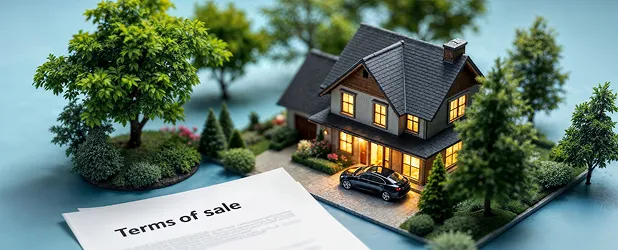
Buying a villa involves more than finding a location you like and a floor plan that works for your family. At some point, the conversation usually turns to property documents, and that is when terms like A Khata, B Khata and E Khata start appearing.
Read more



September 18th, 2026
Real Estate
What Should Landowners Look for When Choosing a Construction Partner?
Owning land in Bengaluru can be a significant asset. But turning that land into a well planned residential project involves much more than finding a contractor and starting construction.
Read more

September 10th, 2026
Real Estate
How to Read a Villa Floor Plan Before You Buy
Buying a villa is not just about choosing the right location, amenities or exterior design. One of the most important things to understand before making a decision is the villa floor plan.
Read more

August 25th, 2026
Architecture
Vaastu Meets Modern Design: Building Villas That Honor Both
Vaastu meets modern design when architects use ancient directional principles to guide modern floor plans, materials, and layouts, instead of treating the two as rivals. Most buyers do not want to choose between a home their elders approve of and a home that looks like it belongs in 2026. The good news is, you rarely have to. Whether you are searching for villas in Bangalore or finalising a layout with your architect, the two systems agree far more often than family WhatsApp group debates would suggest.
Read more
August 15th, 2026
Investment
Hidden Costs of Villa Ownership: What Your Broker Won't Mention
The hidden costs of villa ownership can quietly add two to four lakh rupees to your yearly budget, long after the registration is done. Most brokers walk you through the price per square foot and the loan plan. Very few sit down and explain what happens after you get the keys.
Read more

July 30th, 2026
Investment
Bengaluru Villa Price Trends 2026: What's Driving the Next Wave of Appreciation
Bengaluru villa price trends 2026 show one clear pattern: prices are rising fastest in corridors with metro connectivity, tech park proximity, and shrinking land supply. If you have been tracking villa listings on WhatsApp groups or with your broker in HSR, Sarjapur, or Whitefield, you have probably noticed something. The number that felt high last year now looks like a bargain. That is not random, and understanding the reasons behind it can help you time your purchase better.
Read more
July 10th, 2026
Interiors
Kitchen Design Trends for Indian Villas: Blending Functionality with Aesthetics
Kitchen design trends for Indian villas in 2026 favour open layouts, separate wet and dry zones, and materials that survive daily Indian cooking without losing their good looks. If you have ever walked into a beautiful showroom kitchen and thought, this would not survive one week of dal tempering at home, you are not alone. Indian cooking is heavy on oil, spice, and steam, and a kitchen has to handle that every single day. The good news is that villa kitchens today are finally designed for how Indian families actually cook, not just for how a kitchen looks in a photo.
Read more

June 24th, 2026
Investment
Sarjapur Road vs Whitefield: Which Corridor Should You Buy a Villa in Right Now?
If you've narrowed your villa search to East Bengaluru, you've probably arrived at the same question almost every serious buyer does: Sarjapur Road vs Whitefield villa, which one actually makes more sense today?
Read more

June 12th, 2026
Interior
Traditional Indian Decor or Modern Furniture? What's Actually Creating Timeless Villa Interiors in 2026
The homes people remember aren't the ones that look the most expensive. They're the ones that feel rooted.If you're designing a villa in Bengaluru today, the smartest approach isn't choosing between traditional Indian decor and modern furniture. It's combining them thoughtfully.
Read more

May 27th, 2026
Architecture
Biophilic Courtyard Villa Architecture
At Ravilla Estates, we use courtyard architecture to create an introverted sanctuary a private oasis hidden from the outside world where your home can literally breathe. Here is how centering a villa layout around an open courtyard transforms both the structure and the daily living experience.
Read more

May 14, 2026
Interio
Warm Minimalist Villa Interior Design Tips
For a long time, high-end interior design was equated with excess intricate moldings, heavy drapes, and rooms packed with statement pieces. Then came minimalism, which promised clarity but often left spaces feeling cold, clinical, and a little bit like an art gallery where you aren’t allowed to touch anything.
Read more

April 23, 2026
Lifestyle
Balancing Privacy and Community in Modern Villa Living
There is a unique kind of magic that happens when you pull into your driveway after a long day in the Bengaluru traffic. As the gates of the community close behind you, the noise of the city begins to fade, replaced by the soft rustle of trees and the distant sound of neighbors enjoying a walk. This is the promise of modern villa living: a delicate, beautiful balance between having your own private sanctuary and being part of a vibrant, living community.
Read more
April 03, 2026
Investment
The ROI of Gated Communities in East Bengaluru
If you’ve driven through East Bengaluru lately specifically around Sarjapur, Varthur, or the stretching corridors of Whitefield you’ve likely seen the transformation. What were once quiet stretches of land are now home to some of the most sophisticated residential enclaves in the city.
Read more

March 12, 2026
Investment
Buying a Villa in Growth Corridors: A Smart Buyer’s Checklist
When you look at the map of any major city, you can almost see the "growth corridors" stretching out like branches. These are the areas where new highways, metro lines, and tech parks are planned. For a smart homebuyer, these corridors represent the best opportunity to build wealth and secure a high-quality lifestyle.
Read more

Feb 21st, 2026
Investment
How Schools & Hospitals Quietly Drive Property Demand
When we go house hunting, we often start with a checklist of the "visible" things. We look at the marble flooring, the size of the balcony, the modular kitchen, and the color of the walls.
Read more

Feb 19th, 2026
Lifestyle
Inside a Well-Planned Villa Community: What Buyers Should Notice
A villa isn’t just a home it’s a lifestyle. When prospective buyers step into a well-planned villa community, they’re not simply choosing four walls and a roof they’re investing in comfort, convenience, safety, and long-term value.
Read more

Jan 14, 2026
Architecture
The Art of Creating Boutique Apartments
Explore the art of creating boutique apartments, where architecture meets privacy, low-density living, and thoughtfully designed residential spaces.
Read more

Dec 30, 2025
Investment
What Makes ravilla Truly Unique
Buying a home today isn’t just simple as we think. It’s no longer only about square footage, location, or how impressive the brochure looks. What homebuyers really want is something harder to put into words a sense of comfort, lasting quality, thoughtful design, and a space that still feels right years down the line.
Read more
Copyright © 2026 Ravilla Estates.
Designed By VSNAP
Technology Solutions Pvt Ltd. All Rights Reserved.
Copyright © 2026 Ravilla Estates.
Designed By VSNAP
Technology Solutions Pvt Ltd. All Rights Reserved.


 info@ravillaestates.com
 +91 9986790222
 Ground Floor, No.181, 18th Main Road, Near TVS Showroom, HSR Layout Sector 4, Bengaluru, Karnataka 560102