

The homes people remember aren't the ones that look the most expensive. They're the ones that feel rooted.
If you're designing a villa in Bengaluru today, the smartest approach isn't choosing between traditional Indian decor and modern furniture. It's combining them thoughtfully. The most enduring luxury homes in 2026 blend contemporary comfort with cultural character, creating spaces that feel personal, timeless, and surprisingly future-proof. A growing number of villa homeowners are moving away from generic international aesthetics and embracing interiors that reflect both modern lifestyles and Indian identity.
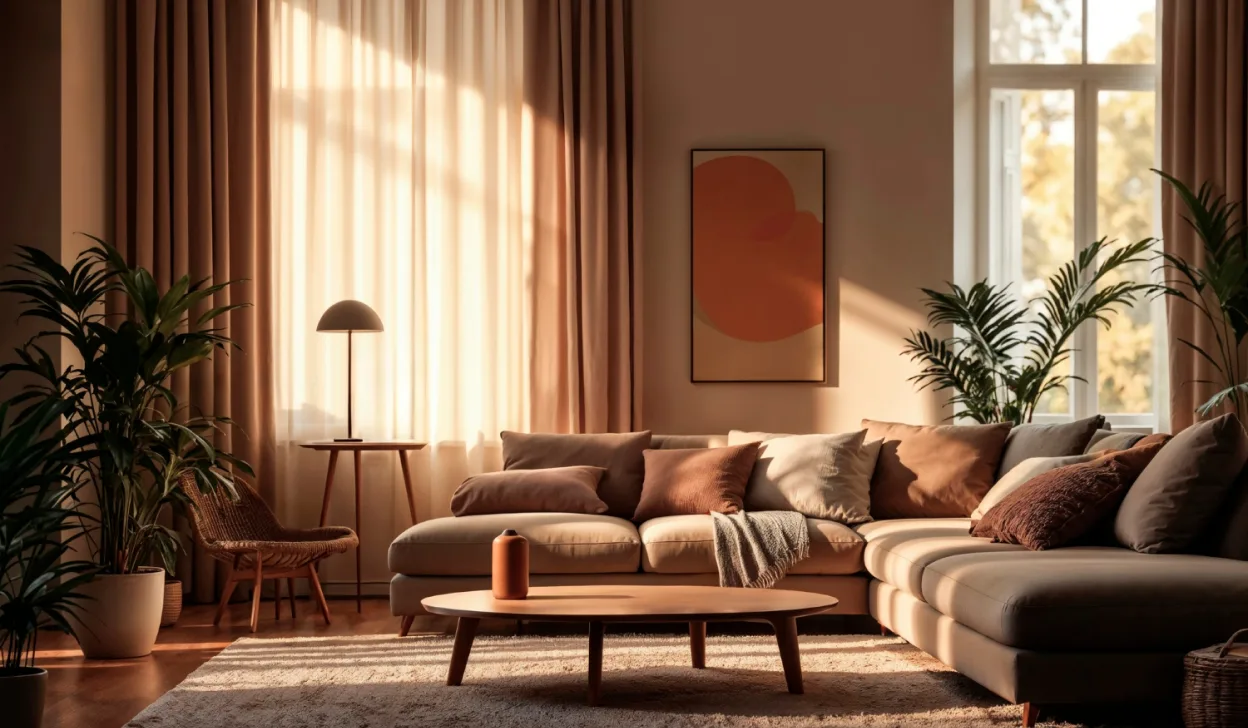
A neo-traditional interior is a home that combines contemporary functionality with heritage-inspired materials, craftsmanship, and design elements.
And that's where things get interesting.
The Luxury Shift Isn't Toward More Decor. It's Toward More Meaning.
For years, luxury interiors followed a predictable formula. Imported furniture. Neutral palettes. Spaces that looked impressive in photographs but often felt disconnected from the people living in them.
Today, homeowners are making different choices.
Across Bengaluru, designers are seeing increasing demand for handcrafted textiles, carved wood details, brass accents, natural stone, and locally sourced materials paired with clean-lined contemporary furniture. The goal isn't to recreate a heritage home. It's to bring a sense of story and belonging into a modern living environment.
Honestly, most developers skip this part entirely. They focus on finishes. Buyers remember feeling.
A handcrafted wooden console beneath minimalist pendant lighting often creates more impact than an entire room filled with decorative objects.
Why Villas Are Better Suited for This Design Philosophy Than Apartments
Traditional Indian design evolved around space, airflow, courtyards, verandahs, and a connection to nature.
That becomes difficult to express in a compact apartment.
A villa offers something different. Higher ceilings, larger windows, private gardens, transitional indoor-outdoor zones, and room for architectural details to breathe. Heritage-inspired elements like jaali screens, stone courtyards, timber accents, and shaded outdoor seating suddenly make practical sense again. They're not decorative additions. They improve privacy, ventilation, natural light, and daily comfort.
This is one reason many upgrading families in Bengaluru are moving from apartments into villa communities. They're not simply buying more square footage. They're buying flexibility in how they live.
And how they express themselves through their home.
The Most Successful Interiors Use Contrast, Not Replication
Here's a mistake many homeowners make.
They assume mixing traditional and modern means filling a contemporary home with traditional furniture.
Usually, that creates visual clutter.
The most sophisticated homes work differently. A sleek sofa sits against a textured lime-plaster wall. A modern dining table shares space with handcrafted brass lighting. Contemporary architecture frames antique wooden doors or heirloom pieces collected over generations. Designers increasingly describe this approach as layering rather than matching.
The contrast creates balance.
The modern elements bring clarity and functionality. The traditional elements bring warmth and memory.
Neither competes with the other.
FYI
Many traditional Indian architectural features were originally climate solutions. Jaali screens, courtyards, and shaded verandahs helped manage heat and airflow long before air conditioning existed.
Sustainability Often Starts With Looking Backward
One of the most overlooked benefits of traditional Indian design is sustainability.
Natural stone ages gracefully. Solid wood develops character. Handwoven textiles can last for decades when cared for properly. Many heritage-inspired materials also reduce dependence on synthetic finishes and disposable decor trends.
This aligns closely with how luxury buyers think today.
Instead of redesigning every few years, they're investing in homes that mature beautifully over time. Recent interior design trends across India show a growing preference for handcrafted pieces, natural materials, and spaces that feel authentic rather than trend-driven. Community discussions around home design reflect the same shift toward personalization, craftsmanship, and cultural connection.
A well-designed villa should feel better after ten years, not dated after three.
That's a very different mindset from chasing trends.
FAQs
How do you mix traditional Indian decor with modern furniture?
Use contemporary furniture as the foundation and add heritage-inspired materials, textiles, artwork, and handcrafted accents selectively.
Does traditional decor make a modern home look outdated?
No. When balanced thoughtfully, traditional elements add warmth, character, and timelessness to contemporary spaces.
Why are villas better for neo-traditional interiors?
Villas provide space, natural light, higher ceilings, and architectural flexibility that traditional design elements need.
Is traditional Indian design sustainable?
Yes. Natural materials, durable craftsmanship, and climate-responsive features often support long-term sustainable living.
Where This Philosophy Comes to Life
The most compelling villa communities in Bengaluru aren't choosing between heritage and modernity.
They're designing for both.That's particularly relevant as buyers seek homes that feel connected to nature, rooted in local culture, and adaptable to contemporary lifestyles. Developers like RavillaEstates have embraced this shift through a design philosophy that values sustainable living, architectural authenticity, and community-focused spaces. Instead of creating homes that follow a passing aesthetic trend, the focus remains on crafting environments where traditional wisdom and modern comfort coexist naturally.
Because the most beautiful homes rarely feel new or old.They simply feel right from the moment you walk in.

 Explore our recent Blogs


June 12th, 2026


Interior
Traditional Indian Decor or Modern Furniture? What's Actually Creating Timeless Villa Interiors in 2026
The homes people remember aren't the ones that look the most expensive. They're the ones that feel rooted.If you're designing a villa in Bengaluru today, the smartest approach isn't choosing between traditional Indian decor and modern furniture. It's combining them thoughtfully.
Read more




May 27th, 2026
Architecture
Biophilic Courtyard Villa Architecture
At Ravilla Estates, we use courtyard architecture to create an introverted sanctuary a private oasis hidden from the outside world where your home can literally breathe. Here is how centering a villa layout around an open courtyard transforms both the structure and the daily living experience.
Read more

May 14, 2026
Interio
Warm Minimalist Villa Interior Design Tips
For a long time, high-end interior design was equated with excess intricate moldings, heavy drapes, and rooms packed with statement pieces. Then came minimalism, which promised clarity but often left spaces feeling cold, clinical, and a little bit like an art gallery where you aren’t allowed to touch anything.
Read more
April 23, 2026
Lifestyle
Balancing Privacy and Community in Modern Villa Living
There is a unique kind of magic that happens when you pull into your driveway after a long day in the Bengaluru traffic. As the gates of the community close behind you, the noise of the city begins to fade, replaced by the soft rustle of trees and the distant sound of neighbors enjoying a walk. This is the promise of modern villa living: a delicate, beautiful balance between having your own private sanctuary and being part of a vibrant, living community.
Read more

April 03, 2026
Investment
The ROI of Gated Communities in East Bengaluru
If you’ve driven through East Bengaluru lately specifically around Sarjapur, Varthur, or the stretching corridors of Whitefield you’ve likely seen the transformation. What were once quiet stretches of land are now home to some of the most sophisticated residential enclaves in the city.
Read more

March 12, 2026
Investment
Buying a Villa in Growth Corridors: A Smart Buyer’s Checklist
When you look at the map of any major city, you can almost see the "growth corridors" stretching out like branches. These are the areas where new highways, metro lines, and tech parks are planned. For a smart homebuyer, these corridors represent the best opportunity to build wealth and secure a high-quality lifestyle.
Read more

Feb 21st, 2026
Investment
How Schools & Hospitals Quietly Drive Property Demand
When we go house hunting, we often start with a checklist of the "visible" things. We look at the marble flooring, the size of the balcony, the modular kitchen, and the color of the walls.
Read more

Feb 19th, 2026
Lifestyle
Inside a Well-Planned Villa Community: What Buyers Should Notice
A villa isn’t just a home it’s a lifestyle. When prospective buyers step into a well-planned villa community, they’re not simply choosing four walls and a roof they’re investing in comfort, convenience, safety, and long-term value.
Read more
Jan 14, 2026
Architecture
The Art of Creating Boutique Apartments
Explore the art of creating boutique apartments, where architecture meets privacy, low-density living, and thoughtfully designed residential spaces.
Read more

Dec 30, 2025
Investment
What Makes ravilla Truly Unique
Buying a home today isn’t just simple as we think. It’s no longer only about square footage, location, or how impressive the brochure looks. What homebuyers really want is something harder to put into words a sense of comfort, lasting quality, thoughtful design, and a space that still feels right years down the line.
Read more
Copyright © 2026 Ravilla Estates.
Designed By VSNAP
Technology Solutions Pvt Ltd. All Rights Reserved.
Copyright © 2026 Ravilla Estates.
Designed By VSNAP
Technology Solutions Pvt Ltd. All Rights Reserved.


 info@ravillaestates.com
 +91 9986790222
 Ground Floor, No.181, 18th Main Road, Near TVS Showroom, HSR Layout Sector 4, Bengaluru, Karnataka 560102