

The hidden costs of villa ownership can quietly add two to four lakh rupees to your yearly budget, long after the registration is done. Most brokers walk you through the price per square foot and the loan plan. Very few sit down and explain what happens after you get the keys.
If you have been tracking villa prices in Bangalore lately, in Sarjapur, Whitefield, or HSR, you already know the market is moving fast. But the price tag is only the entry ticket. Maintenance, corpus funds, property tax, and repairs are the numbers that never make it into the brochure. This guide breaks down every rupee you should budget for, so you are not caught off guard six months after moving in.

Quick Look: Hidden Villa Costs at a Glance
| Cost head | Typical yearly range |
|---|---|
| Maintenance charges | ₹60,000 to ₹1,80,000 |
| Corpus or sinking fund | ₹50,000 to ₹2,00,000 (one time) |
| Property tax | ₹15,000 to ₹40,000 |
| Repairs and upkeep | ₹40,000 to ₹1,00,000 |
| Utility and society deposits | ₹20,000 to ₹50,000 (one time) |
| Landscaping and garden care | ₹18,000 to ₹60,000 |
Note: These are rough numbers based on typical Bangalore villa communities and may vary by project.
What Hidden Costs Come With Buying a Villa in Bangalore?
Buying a villa in Bangalore involves costs well beyond the sale price, including registration, monthly maintenance, a corpus fund, property tax, utility deposits, and yearly repairs that brokers rarely mention upfront.
These costs do not show up on the same page as the price list. They arrive slowly, in the first few WhatsApp messages from your community's facility team.
Here is what usually adds up:
Quick Tip: Ask your broker to email you the last twelve months of maintenance bills for a similar villa in the same community. If they hesitate, treat that as useful information too.
Registration, Stamp Duty and Legal Fees: The First Surprise
Registration and stamp duty in Karnataka usually add five to seven percent of the villa's value, and legal or documentation charges can add another fifty thousand rupees on top.
This is the cost most buyers do know about, at least roughly. What catches people off guard is the extra paperwork for villas, since land and building are often registered together, sometimes with separate khata documents.
Ask your lawyer to confirm exact numbers before you transfer any advance. A verbal estimate from a broker is not the same as a written breakup.
What Does Monthly Villa Maintenance Actually Cost?
Monthly maintenance for a villa in a gated community in Bangalore usually ranges from five thousand to fifteen thousand rupees, depending on security, amenities, and clubhouse facilities.
Villas cost more to maintain than apartments because there is more shared infrastructure to run, from private roads to landscaped parks. A well-planned villa community will explain this clearly during your site visit, not after you move in.
What usually goes into this monthly number:
The Corpus Fund and Sinking Fund Nobody Explains
A corpus fund is a one-time payment collected when you buy the villa, used later for big repairs like road resurfacing, clubhouse renovation, or major plumbing and electrical work.
Think of it as the community's emergency savings account. You pay into it once, usually at possession, and it sits there quietly until something big needs fixing.
Definition: A sinking fund is money set aside gradually, often through a small yearly top-up, specifically for long-term repair and replacement work across the community.
Many buyers confuse this with maintenance and feel cheated later. It helps to ask for both numbers separately, in writing, before you sign anything.
Property Tax, Utility Deposits and Society Charges
Property tax for villas is usually calculated on built-up area and location under BBMP rules, and it is often slightly higher than for an apartment of the same size.
On top of this, expect one-time deposits for electricity, water, and gas connections when you first move in. Some communities also charge a transfer fee if you are buying resale.
Owners in East Bengaluru communities like Sarjapur and Whitefield often see these charges reflected in resale value too, since well-maintained infrastructure holds its price better over time.
Common Mistake: Assuming property tax stays fixed. It usually increases with each municipal revision, so budget a small buffer every couple of years.
Repairs, Landscaping and the Real Price of Outdoor Space
Repairs and landscaping for a villa can cost forty thousand to one lakh rupees a year, since private gardens, terraces, and larger roof areas need more upkeep than a flat.
This is the cost people underestimate the most. A garden looks lovely in the brochure photo, but someone has to water it, prune it, and fix the drainage when the monsoon hits.
Budget for painting every four to five years, waterproofing checks before every monsoon, and small plumbing repairs that come with owning more square footage.
How Can You Budget Smartly Before You Sign?
You can budget smartly for villa ownership by asking your broker for exact maintenance and corpus fund numbers in writing before you sign, not after you have paid the token amount.
This is really a smart buyer's checklist moment, the kind of homework that protects you long after the registration papers are filed away.
Before you finalise anything:
Warning: Never rely only on what a broker tells you verbally about ongoing costs. Ask for documents, or speak directly with two or three existing residents on WhatsApp before you commit.
In Short
Understanding the hidden costs of villa ownership before you sign is what separates a smart buyer from a surprised one. None of these numbers should scare you away from owning a villa, they should simply sit in your budget from day one. Ask the right questions, get everything in writing, and you will move in with confidence instead of confusion. If you would like a clear, honest breakup of costs for a specific project, the team at Ravilla Estates is happy to walk you through it, no hidden lines, no fine print.
Frequently Asked Questions
What are the hidden costs of villa ownership in Bangalore?
The hidden costs of villa ownership include monthly maintenance, a one-time corpus fund, property tax, utility deposits, repairs, and landscaping, which together can add two to four lakh rupees a year.
How much does villa maintenance cost per month?
Villa maintenance in a gated Bangalore community usually costs five thousand to fifteen thousand rupees a month, depending on amenities like security, clubhouse, and gardening staff.
What is a corpus fund in a villa community?
Waiting rarely helps in growth corridors. Prices typically rise once infrastructure projects like metro lines are completed, not fall.
How much does metro connectivity affect villa prices?
A corpus fund is a one-time payment collected at possession, kept aside for major future repairs like road work, clubhouse renovation, or big infrastructure fixes.
Is property tax different for villas compared to apartments?
Yes, villa property tax is often slightly higher than apartment tax of the same size, since it is calculated on built-up area, land, and location under BBMP rules.
Do brokers usually mention maintenance costs before you buy?
Not always in detail. Many brokers focus on the sale price and loan process, so buyers need to specifically ask for maintenance, corpus fund, and tax numbers in writing.
How can I calculate the true cost of owning a villa?
Add the sale price to registration, one-time corpus fund, first year maintenance, utility deposits, and a repair buffer of around ten percent to get a realistic total cost.

 Explore our recent Blogs



August 12th, 2026


Investment
Hidden Costs of Villa Ownership: What Your Broker Won't Mention
The hidden costs of villa ownership can quietly add two to four lakh rupees to your yearly budget, long after the registration is done. Most brokers walk you through the price per square foot and the loan plan. Very few sit down and explain what happens after you get the keys.
Read more





July 30th, 2026
Investment
Bengaluru Villa Price Trends 2026: What's Driving the Next Wave of Appreciation
Bengaluru villa price trends 2026 show one clear pattern: prices are rising fastest in corridors with metro connectivity, tech park proximity, and shrinking land supply. If you have been tracking villa listings on WhatsApp groups or with your broker in HSR, Sarjapur, or Whitefield, you have probably noticed something. The number that felt high last year now looks like a bargain. That is not random, and understanding the reasons behind it can help you time your purchase better.
Read more
July 10th, 2026
Interiors
Kitchen Design Trends for Indian Villas: Blending Functionality with Aesthetics
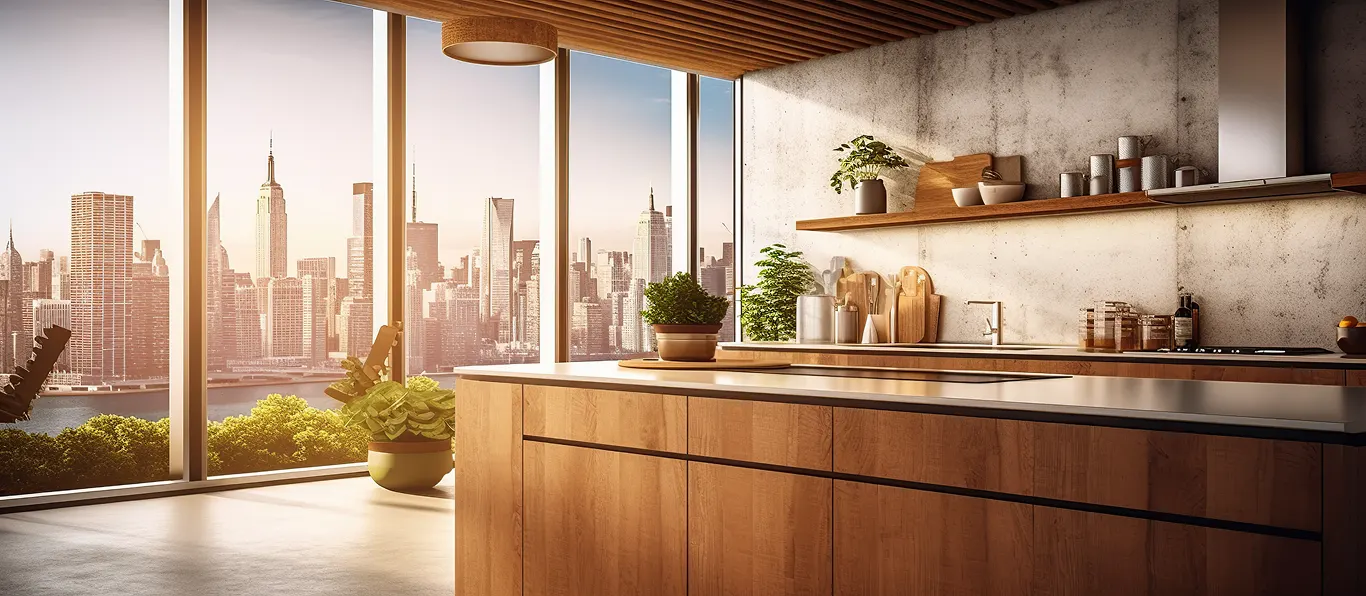
Kitchen design trends for Indian villas in 2026 favour open layouts, separate wet and dry zones, and materials that survive daily Indian cooking without losing their good looks. If you have ever walked into a beautiful showroom kitchen and thought, this would not survive one week of dal tempering at home, you are not alone. Indian cooking is heavy on oil, spice, and steam, and a kitchen has to handle that every single day. The good news is that villa kitchens today are finally designed for how Indian families actually cook, not just for how a kitchen looks in a photo.
Read more

June 24th, 2026
Investment
Sarjapur Road vs Whitefield: Which Corridor Should You Buy a Villa in Right Now?
If you've narrowed your villa search to East Bengaluru, you've probably arrived at the same question almost every serious buyer does: Sarjapur Road vs Whitefield villa, which one actually makes more sense today?
Read more

June 12th, 2026
Interior
Traditional Indian Decor or Modern Furniture? What's Actually Creating Timeless Villa Interiors in 2026
The homes people remember aren't the ones that look the most expensive. They're the ones that feel rooted.If you're designing a villa in Bengaluru today, the smartest approach isn't choosing between traditional Indian decor and modern furniture. It's combining them thoughtfully.
Read more

May 27th, 2026
Architecture
Biophilic Courtyard Villa Architecture
At Ravilla Estates, we use courtyard architecture to create an introverted sanctuary a private oasis hidden from the outside world where your home can literally breathe. Here is how centering a villa layout around an open courtyard transforms both the structure and the daily living experience.
Read more

May 14, 2026
Interio
Warm Minimalist Villa Interior Design Tips
For a long time, high-end interior design was equated with excess intricate moldings, heavy drapes, and rooms packed with statement pieces. Then came minimalism, which promised clarity but often left spaces feeling cold, clinical, and a little bit like an art gallery where you aren’t allowed to touch anything.
Read more

April 23, 2026
Lifestyle
Balancing Privacy and Community in Modern Villa Living
There is a unique kind of magic that happens when you pull into your driveway after a long day in the Bengaluru traffic. As the gates of the community close behind you, the noise of the city begins to fade, replaced by the soft rustle of trees and the distant sound of neighbors enjoying a walk. This is the promise of modern villa living: a delicate, beautiful balance between having your own private sanctuary and being part of a vibrant, living community.
Read more

April 03, 2026
Investment
The ROI of Gated Communities in East Bengaluru
If you’ve driven through East Bengaluru lately specifically around Sarjapur, Varthur, or the stretching corridors of Whitefield you’ve likely seen the transformation. What were once quiet stretches of land are now home to some of the most sophisticated residential enclaves in the city.
Read more

March 12, 2026
Investment
Buying a Villa in Growth Corridors: A Smart Buyer’s Checklist
When you look at the map of any major city, you can almost see the "growth corridors" stretching out like branches. These are the areas where new highways, metro lines, and tech parks are planned. For a smart homebuyer, these corridors represent the best opportunity to build wealth and secure a high-quality lifestyle.
Read more

Feb 21st, 2026
Investment
How Schools & Hospitals Quietly Drive Property Demand
When we go house hunting, we often start with a checklist of the "visible" things. We look at the marble flooring, the size of the balcony, the modular kitchen, and the color of the walls.
Read more

Feb 19th, 2026
Lifestyle
Inside a Well-Planned Villa Community: What Buyers Should Notice
A villa isn’t just a home it’s a lifestyle. When prospective buyers step into a well-planned villa community, they’re not simply choosing four walls and a roof they’re investing in comfort, convenience, safety, and long-term value.
Read more

Jan 14, 2026
Architecture
The Art of Creating Boutique Apartments
Explore the art of creating boutique apartments, where architecture meets privacy, low-density living, and thoughtfully designed residential spaces.
Read more

Dec 30, 2025
Investment
What Makes ravilla Truly Unique
Buying a home today isn’t just simple as we think. It’s no longer only about square footage, location, or how impressive the brochure looks. What homebuyers really want is something harder to put into words a sense of comfort, lasting quality, thoughtful design, and a space that still feels right years down the line.
Read more
Copyright © 2026 Ravilla Estates.
Designed By VSNAP
Technology Solutions Pvt Ltd. All Rights Reserved.
Copyright © 2026 Ravilla Estates.
Designed By VSNAP
Technology Solutions Pvt Ltd. All Rights Reserved.


 info@ravillaestates.com
 +91 9986790222
 Ground Floor, No.181, 18th Main Road, Near TVS Showroom, HSR Layout Sector 4, Bengaluru, Karnataka 560102