

Owning land in Bengaluru can be a significant asset. But turning that land into a well planned residential project involves much more than finding a contractor and starting construction.
Whether the plan involves an independent development, a low rise residential project, a villa community or a larger multi storey development, the construction partner you choose can influence everything from planning and budgeting to quality, timelines and the eventual value of the project.

For landowners, the challenge is often not simply finding someone who can build. It is finding a partner who understands what needs to happen before construction begins, how the project should be planned and how the development can be executed efficiently.
Here are some of the most important factors to consider.
1. Look Beyond Construction Experience
A construction partner should ideally understand more than the physical process of building.
Before appointing a company, look at its experience across areas such as:
A company that understands the entire development process can help identify potential issues before they become expensive problems during construction.
2. Understand Their Experience With Similar Projects
Not every construction project is the same.
Building a few independent homes is different from executing a villa community. A low rise apartment project has different requirements from a larger multi storey development.
Ask about the type and scale of projects the company has worked on.
For example:
Relevant experience can provide a better indication of whether a partner is equipped for your particular project.
3. Check Whether They Understand the Potential of the Land
Construction should not begin with drawings alone.
The land itself needs to be understood first.
Factors such as location, site dimensions, access, surrounding development, applicable regulations, infrastructure and the intended project type can influence what makes sense for a property.
A capable development partner should be able to participate in these early conversations.
For a landowner, this is important because the question is not simply:
"What can we build here?"
It is also:
"What should we build here?"
4. Look for Strong Planning Before Construction
Good construction begins well before the first brick is laid.
A project needs a clear plan covering design coordination, structural requirements, procurement, manpower, timelines, quality checks and site execution.
Ask how the company approaches the pre construction stage.
A well planned project can help reduce:
The more decisions that can be resolved before construction begins, the easier it becomes to manage the project once work starts on site
5. Ask How They Handle Cost Estimation
One of the biggest concerns for landowners is construction cost.
However, a construction estimate is not simply a single number.
It can involve:
Civil construction
Structural work
Electrical systems
Plumbing
Flooring
Doors and windows
External development
Landscaping
Equipment
Labour
Safety requirements
Project management
Other site specific requirements
Ask for clarity on what is included in the estimate and what may be considered additional.
A transparent cost structure makes it easier to plan the project realistically from the beginning.
6. Understand Their Procurement Process
Materials can have a significant impact on both cost and quality.
Ask how the construction partner manages procurement.
Important questions include:
A good procurement system can help maintain consistency while keeping the project moving according to schedule.
7. Quality Control Should Be Part of the Process
Quality should not depend entirely on a final inspection.
It needs to be monitored throughout construction.
Ask about quality control at different stages, including:
Documentation, inspections and stage wise checks can help identify issues early rather than after several subsequent layers of work have already been completed.
8. Evaluate Their Project Management Capabilities
A construction project involves several moving parts.
Architects, structural consultants, suppliers, subcontractors, engineers, workers and site teams all need to coordinate effectively.
A strong project management system helps keep these activities aligned.
Ask:
Clear ownership is particularly important for larger residential developments.
9. Check Their Approach to Timelines
Construction timelines can be affected by many factors, but that does not mean they should be vague.
Ask for a realistic project schedule that breaks the development into stages.
For example:
Planning - Site Preparation - Foundation - Structure - Masonry - Services - Finishing -External Development - Handover
A stage wise schedule makes it easier to track progress and identify delays.
More importantly, ask how the construction partner manages situations when a particular stage falls behind schedule.
10. Communication Matters More Than It Seems
Landowners should know what is happening with their property.
A construction partner should have a clear communication process covering:
Good communication does not necessarily mean constant meetings. It means that important decisions and developments are communicated clearly and on time.
11. Review Their Previous Work
Past projects can tell you more than a presentation can.
If possible, visit completed or ongoing projects handled by the company.
Look at:
Also try to understand the company's role in each project.
There is a difference between being responsible for a small portion of construction and managing the broader execution of a development.
12. Understand the Contract Clearly
Before construction begins, both sides should have a clear understanding of responsibilities.
The agreement should ideally address areas such as:
A detailed agreement can reduce misunderstandings later.
13. Consider Their Ability to Scale With the Project
The right construction partner should match the complexity of the development.
A small residential project and a large multi storey development require different levels of coordination, manpower and project management.
If your plans may expand in the future, consider whether the company has the resources and systems to manage larger developments.
This is particularly relevant for landowners considering:
14. Don't Choose Based Only on the Lowest Quote
Cost matters, but the lowest initial quotation does not necessarily represent the lowest overall project cost.
A lower quote may have differences in:
Compare quotations on a like for like basis.
The objective should be to understand what you are getting for the quoted cost, not simply which number is the smallest.
15. Look for a Partner Who Thinks Beyond the Construction Site
For a landowner, the ultimate objective is not simply to complete a building.
It is to create a project that works as a whole.
That requires thinking about:
A construction partner who understands these broader considerations can contribute more than a company that simply executes drawings.
Questions Landowners Should Ask Before Choosing a Construction Partner
Before making a decision, consider asking:
The answers can reveal how the company approaches a project before any construction begins.
Final Thoughts
For landowners, choosing a construction partner is ultimately about more than finding someone who can build.
It is about finding a team that can understand the property, participate in the planning process, coordinate the different stages of development and execute the project with consistency.
Whether the vision is a low rise residential development, a villa community or a larger multi storey project, the foundation of a successful development is laid long before construction begins.
The right partner does not simply ask what needs to be built. They understand the land, the project and the journey required to turn the opportunity into a finished development.
If you are looking for a construction partner in Bangalore reach out to Ravilla Estates , with a portfolio of multiple stellar residential projects.

 Explore our recent Blogs



September 18th, 2026


Real Estate
What Should Landowners Look for When Choosing a Construction Partner?
Owning land in Bengaluru can be a significant asset. But turning that land into a well planned residential project involves much more than finding a contractor and starting construction.
Read more


September 10th, 2026
Real Estate
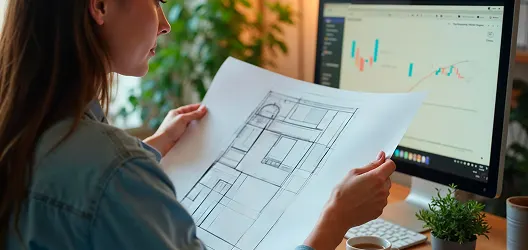
How to Read a Villa Floor Plan Before You Buy
Buying a villa is not just about choosing the right location, amenities or exterior design. One of the most important things to understand before making a decision is the villa floor plan.
Read more

August 25th, 2026
Architecture
Vaastu Meets Modern Design: Building Villas That Honor Both
Vaastu meets modern design when architects use ancient directional principles to guide modern floor plans, materials, and layouts, instead of treating the two as rivals. Most buyers do not want to choose between a home their elders approve of and a home that looks like it belongs in 2026. The good news is, you rarely have to. Whether you are searching for villas in Bangalore or finalising a layout with your architect, the two systems agree far more often than family WhatsApp group debates would suggest.
Read more
August 15th, 2026
Investment
Hidden Costs of Villa Ownership: What Your Broker Won't Mention
The hidden costs of villa ownership can quietly add two to four lakh rupees to your yearly budget, long after the registration is done. Most brokers walk you through the price per square foot and the loan plan. Very few sit down and explain what happens after you get the keys.
Read more

July 30th, 2026
Investment
Bengaluru Villa Price Trends 2026: What's Driving the Next Wave of Appreciation
Bengaluru villa price trends 2026 show one clear pattern: prices are rising fastest in corridors with metro connectivity, tech park proximity, and shrinking land supply. If you have been tracking villa listings on WhatsApp groups or with your broker in HSR, Sarjapur, or Whitefield, you have probably noticed something. The number that felt high last year now looks like a bargain. That is not random, and understanding the reasons behind it can help you time your purchase better.
Read more
July 10th, 2026
Interiors
Kitchen Design Trends for Indian Villas: Blending Functionality with Aesthetics
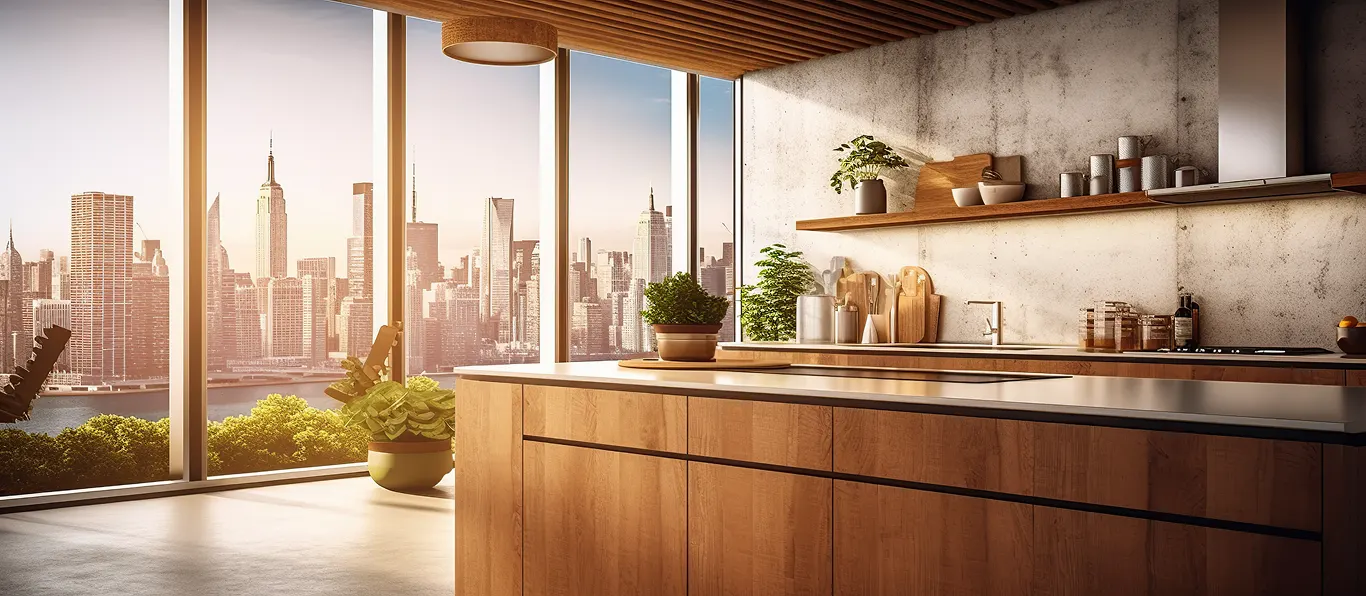
Kitchen design trends for Indian villas in 2026 favour open layouts, separate wet and dry zones, and materials that survive daily Indian cooking without losing their good looks. If you have ever walked into a beautiful showroom kitchen and thought, this would not survive one week of dal tempering at home, you are not alone. Indian cooking is heavy on oil, spice, and steam, and a kitchen has to handle that every single day. The good news is that villa kitchens today are finally designed for how Indian families actually cook, not just for how a kitchen looks in a photo.
Read more

June 24th, 2026
Investment
Sarjapur Road vs Whitefield: Which Corridor Should You Buy a Villa in Right Now?
If you've narrowed your villa search to East Bengaluru, you've probably arrived at the same question almost every serious buyer does: Sarjapur Road vs Whitefield villa, which one actually makes more sense today?
Read more

June 12th, 2026
Interior
Traditional Indian Decor or Modern Furniture? What's Actually Creating Timeless Villa Interiors in 2026
The homes people remember aren't the ones that look the most expensive. They're the ones that feel rooted.If you're designing a villa in Bengaluru today, the smartest approach isn't choosing between traditional Indian decor and modern furniture. It's combining them thoughtfully.
Read more

May 27th, 2026
Architecture
Biophilic Courtyard Villa Architecture
At Ravilla Estates, we use courtyard architecture to create an introverted sanctuary a private oasis hidden from the outside world where your home can literally breathe. Here is how centering a villa layout around an open courtyard transforms both the structure and the daily living experience.
Read more

May 14, 2026
Interio
Warm Minimalist Villa Interior Design Tips
For a long time, high-end interior design was equated with excess intricate moldings, heavy drapes, and rooms packed with statement pieces. Then came minimalism, which promised clarity but often left spaces feeling cold, clinical, and a little bit like an art gallery where you aren’t allowed to touch anything.
Read more

April 23, 2026
Lifestyle
Balancing Privacy and Community in Modern Villa Living
There is a unique kind of magic that happens when you pull into your driveway after a long day in the Bengaluru traffic. As the gates of the community close behind you, the noise of the city begins to fade, replaced by the soft rustle of trees and the distant sound of neighbors enjoying a walk. This is the promise of modern villa living: a delicate, beautiful balance between having your own private sanctuary and being part of a vibrant, living community.
Read more
April 03, 2026
Investment
The ROI of Gated Communities in East Bengaluru
If you’ve driven through East Bengaluru lately specifically around Sarjapur, Varthur, or the stretching corridors of Whitefield you’ve likely seen the transformation. What were once quiet stretches of land are now home to some of the most sophisticated residential enclaves in the city.
Read more

March 12, 2026
Investment
Buying a Villa in Growth Corridors: A Smart Buyer’s Checklist
When you look at the map of any major city, you can almost see the "growth corridors" stretching out like branches. These are the areas where new highways, metro lines, and tech parks are planned. For a smart homebuyer, these corridors represent the best opportunity to build wealth and secure a high-quality lifestyle.
Read more

Feb 21st, 2026
Investment
How Schools & Hospitals Quietly Drive Property Demand
When we go house hunting, we often start with a checklist of the "visible" things. We look at the marble flooring, the size of the balcony, the modular kitchen, and the color of the walls.
Read more

Feb 19th, 2026
Lifestyle
Inside a Well-Planned Villa Community: What Buyers Should Notice
A villa isn’t just a home it’s a lifestyle. When prospective buyers step into a well-planned villa community, they’re not simply choosing four walls and a roof they’re investing in comfort, convenience, safety, and long-term value.
Read more

Jan 14, 2026
Architecture
The Art of Creating Boutique Apartments
Explore the art of creating boutique apartments, where architecture meets privacy, low-density living, and thoughtfully designed residential spaces.
Read more

Dec 30, 2025
Investment
What Makes ravilla Truly Unique
Buying a home today isn’t just simple as we think. It’s no longer only about square footage, location, or how impressive the brochure looks. What homebuyers really want is something harder to put into words a sense of comfort, lasting quality, thoughtful design, and a space that still feels right years down the line.
Read more
Copyright © 2026 Ravilla Estates.
Designed By VSNAP
Technology Solutions Pvt Ltd. All Rights Reserved.
Copyright © 2026 Ravilla Estates.
Designed By VSNAP
Technology Solutions Pvt Ltd. All Rights Reserved.


 info@ravillaestates.com
 +91 9986790222
 Ground Floor, No.181, 18th Main Road, Near TVS Showroom, HSR Layout Sector 4, Bengaluru, Karnataka 560102